
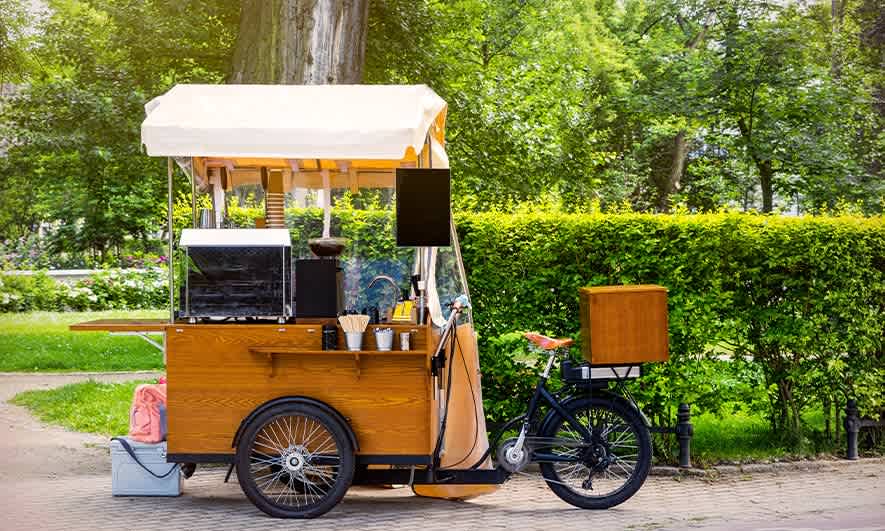
Why Street Food Businesses Need Insurance
Operating a street food business is an exciting venture, offering the opportunity to connect with your community and share your culinary creations. However, like any business, it comes with inherent risks. From potential accidents and foodborne illnesses to property damage and lawsuits, unexpected events can quickly derail your operations and jeopardize your financial stability. That's where street food business insurance comes in.
Insurance acts as a safety net, protecting your business from potentially devastating financial losses. It covers various liabilities, ensuring you can continue serving delicious food without the constant worry of "what if?" Ignoring insurance can leave you vulnerable to significant financial burdens, potentially leading to business closure. Think of it as an investment in your peace of mind and the long-term viability of your street food dream.
Understanding the Different Types of Street Food Insurance
Choosing the right insurance coverage is crucial for protecting your specific needs. Several types of insurance policies are relevant to street food businesses, each addressing different potential risks:
General Liability Insurance
This is arguably the most important type of insurance for any business, including street food vendors. General liability insurance covers bodily injury or property damage caused to third parties due to your business operations. For example, if a customer slips and falls near your food stall or your cooking equipment damages a nearby building, this insurance can cover medical expenses, repair costs, and legal fees.
Product Liability Insurance
In the food industry, product liability insurance is essential. It protects you if a customer becomes ill or injured after consuming your food. This could be due to food poisoning, allergic reactions, or foreign objects found in the food. Product liability insurance can cover medical expenses, lost wages, and legal costs associated with such claims.
Commercial Property Insurance
If you own the equipment used in your street food business, such as your food truck, cart, or cooking equipment, commercial property insurance is vital. This coverage protects your property from damage caused by fire, theft, vandalism, or natural disasters. It can cover the cost of repairing or replacing damaged equipment, allowing you to resume operations quickly.
Workers' Compensation Insurance
If you employ any workers, even part-time, workers' compensation insurance is typically required by law. This insurance covers medical expenses and lost wages for employees who are injured on the job. It can also protect you from lawsuits related to workplace injuries.
Commercial Auto Insurance
If you use a vehicle for your street food business, whether it's a food truck or a car for transporting supplies, you need commercial auto insurance. This coverage protects you from financial losses if you or one of your employees is involved in an accident while driving for business purposes. It can cover vehicle repairs, medical expenses, and liability costs.
Business Interruption Insurance
If your business is temporarily shut down due to a covered event, such as a fire or natural disaster, business interruption insurance can help cover lost income and operating expenses. This coverage can be crucial for helping you stay afloat while you're unable to operate.
Factors Affecting Street Food Business Insurance Quotes
The cost of street food business insurance can vary depending on several factors. Understanding these factors can help you get the most accurate and affordable quotes:
Location
The location of your street food business can significantly impact your insurance rates. Businesses in areas with higher crime rates or a greater risk of natural disasters may face higher premiums.
Type of Food Served
The type of food you serve can also affect your insurance costs. Businesses that serve high-risk foods, such as raw seafood or undercooked meats, may face higher premiums due to the increased risk of foodborne illnesses.
Business Size and Revenue
Larger businesses with higher revenue typically pay more for insurance. This is because they have a greater potential for liability claims.
Claims History
If you have a history of insurance claims, you may face higher premiums. Insurance companies view businesses with a history of claims as higher risk.
Equipment and Operations
The type of equipment you use and your operating procedures can also affect your insurance rates. Businesses that use potentially hazardous equipment, such as deep fryers, may face higher premiums. Additionally, businesses with robust food safety practices may qualify for lower rates.
Coverage Limits and Deductibles
The amount of coverage you choose and the deductible you select will also impact your insurance costs. Higher coverage limits and lower deductibles typically result in higher premiums.
How to Get the Best Street Food Business Insurance Quotes
Finding the right insurance coverage at an affordable price requires careful planning and comparison shopping. Here are some tips for getting the best street food business insurance quotes:
Assess Your Risks
Before you start shopping for insurance, take the time to assess your specific risks. Consider the types of food you serve, the location of your business, and the potential hazards associated with your operations. This will help you determine the types of coverage you need and the appropriate coverage limits.
Shop Around and Compare Quotes
Don't settle for the first insurance quote you receive. Get quotes from multiple insurance companies and compare their coverage options, premiums, and deductibles. Online comparison tools can make this process easier.
Work with an Independent Insurance Agent
An independent insurance agent can help you navigate the complex world of business insurance. They can assess your needs, shop around for the best rates, and explain the different coverage options available to you. They represent multiple insurance companies, so they can provide unbiased advice and help you find the best policy for your specific needs.
Bundle Your Policies
Some insurance companies offer discounts if you bundle multiple policies together. For example, you may be able to save money by bundling your general liability insurance with your commercial property insurance or commercial auto insurance.
Increase Your Deductible
Increasing your deductible can lower your insurance premiums. However, make sure you can afford to pay the deductible if you need to file a claim.
Implement Safety Measures
Implementing safety measures, such as installing fire extinguishers, providing employee training on food safety, and maintaining a clean and organized workspace, can help reduce your risk of accidents and claims. This can also lead to lower insurance premiums.
Review Your Policy Regularly
Your insurance needs may change over time as your business grows and evolves. Review your policy regularly to ensure it still provides adequate coverage. Make sure to update your coverage limits if you purchase new equipment or expand your operations.