
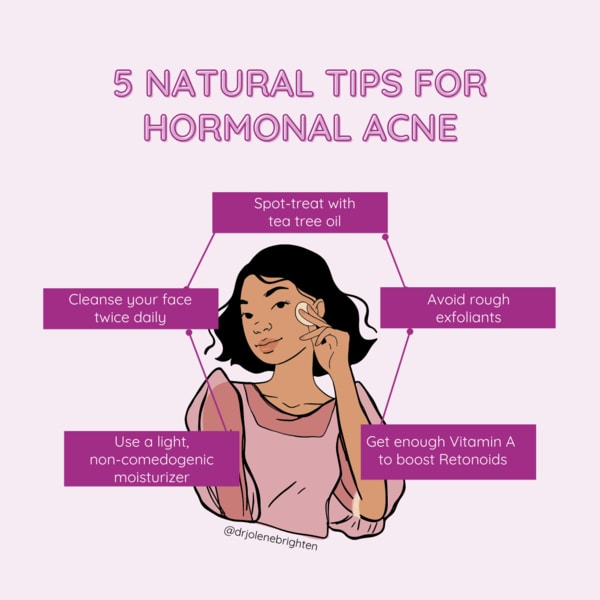
Understanding Hormonal Acne
Hormonal acne is a frustrating skin condition that affects many adults, particularly women. Unlike the occasional pimple, hormonal acne tends to flare up cyclically, often around menstruation, pregnancy, or menopause. Understanding the root causes of hormonal acne is the first step in finding effective, natural treatments.
What Causes Hormonal Acne?
The primary culprit behind hormonal acne is fluctuations in hormone levels, specifically increases in androgens like testosterone. While testosterone is often associated with men, women also produce it, and elevated levels can trigger a cascade of events that lead to breakouts. These events include:
- Increased sebum production: Androgens stimulate the sebaceous glands to produce more sebum, an oily substance that can clog pores.
- Inflammation: Hormonal imbalances can trigger inflammation in the skin, contributing to the formation of acne lesions.
- Increased skin cell production: Androgens can cause skin cells to shed more rapidly, which can also contribute to clogged pores.
These factors, combined with the presence of bacteria (specifically *Cutibacterium acnes*, formerly known as *Propionibacterium acnes*), create the perfect environment for acne to thrive. While medication is a common treatment option, many people prefer to explore natural alternatives to manage their hormonal acne.
Natural Strategies for Treating Hormonal Acne
Treating hormonal acne naturally requires a multi-faceted approach that addresses the underlying hormonal imbalances and promotes overall skin health. Here are some effective strategies you can incorporate into your routine:
1. Dietary Changes
What you eat can significantly impact your hormone levels and, consequently, your acne. Certain foods can exacerbate inflammation and trigger hormonal fluctuations, while others can help to balance your system. Consider these dietary changes:
- Reduce Sugar and Refined Carbohydrates: These foods can cause a spike in insulin levels, which can then increase androgen production. Limit your intake of sugary drinks, processed snacks, white bread, and pasta.
- Increase Fiber Intake: Fiber helps to regulate blood sugar levels and promote healthy digestion, which can contribute to hormonal balance. Focus on incorporating plenty of fruits, vegetables, and whole grains into your diet.
- Healthy Fats: Incorporate healthy fats, such as those found in avocados, nuts, seeds, and olive oil. These fats are essential for hormone production and can help to reduce inflammation.
- Dairy Alternatives: Some studies suggest a link between dairy consumption and acne. Consider experimenting with dairy alternatives like almond milk, soy milk, or oat milk to see if it makes a difference for your skin.
2. Stress Management
Stress can wreak havoc on your hormone levels, leading to increased androgen production and inflammation. Finding healthy ways to manage stress is crucial for controlling hormonal acne. Here are some effective stress-reduction techniques:
- Meditation and Mindfulness: Regular meditation can help to calm the mind and reduce stress hormones like cortisol.
- Yoga and Exercise: Physical activity is a great way to release endorphins, which have mood-boosting and stress-reducing effects.
- Adequate Sleep: Aim for 7-8 hours of quality sleep each night. Sleep deprivation can disrupt hormone levels and worsen acne.
- Spending Time in Nature: Studies have shown that spending time outdoors can lower stress hormones and improve overall well-being.
3. Topical Natural Remedies
While internal factors play a significant role in hormonal acne, topical treatments can help to address the external symptoms and promote healing. Here are some natural topical remedies to consider:
- Tea Tree Oil: Tea tree oil has antibacterial and anti-inflammatory properties that can help to fight acne-causing bacteria and reduce inflammation. Dilute tea tree oil with a carrier oil (like jojoba or coconut oil) before applying it to your skin. A good starting point is a 5% solution.
- Aloe Vera: Aloe vera is a soothing and hydrating gel that can help to reduce inflammation and promote healing. Apply pure aloe vera gel to affected areas to calm redness and irritation.
- Honey: Honey has antibacterial and anti-inflammatory properties that can help to clear acne and promote healing. Apply a thin layer of raw honey to affected areas for 15-20 minutes, then rinse with warm water. Manuka honey is especially beneficial.
- Green Tea: Green tea contains antioxidants that can help to reduce inflammation and protect the skin from damage. Brew a cup of green tea, let it cool, and then use it as a toner on your skin.
- Apple Cider Vinegar (ACV): ACV can help balance skin pH and kill bacteria. Dilute ACV with water (1 part ACV to 3 parts water) and apply to affected areas with a cotton ball. Leave on for a few minutes, then rinse. Be cautious, as ACV can be irritating to sensitive skin.
4. Herbal Supplements
Certain herbal supplements may help to balance hormone levels and reduce acne. However, it's crucial to consult with a healthcare professional before taking any supplements, as they can interact with medications or have side effects. Some popular options include:
- Spearmint Tea: Spearmint tea has been shown to reduce androgen levels in women. Drinking two cups of spearmint tea daily may help to improve hormonal acne.
- Saw Palmetto: Saw palmetto is an herb that may help to block the effects of androgens on the skin.
- Chasteberry (Vitex): Chasteberry is a popular herb for regulating menstrual cycles and reducing PMS symptoms. It may also help to balance hormone levels and improve hormonal acne.
- DIM (Diindolylmethane): DIM is a compound found in cruciferous vegetables like broccoli and kale. It may help to balance estrogen levels and reduce androgen production.
5. Proper Skincare Routine
A gentle and consistent skincare routine is essential for managing hormonal acne. Avoid harsh cleansers and scrubs that can irritate the skin and worsen breakouts. Here are some tips for creating an effective skincare routine:
- Cleanse Gently: Use a gentle, non-comedogenic cleanser to remove dirt, oil, and makeup without stripping the skin of its natural oils.
- Exfoliate Regularly: Exfoliate 1-2 times per week to remove dead skin cells and prevent clogged pores. Use a gentle chemical exfoliant like salicylic acid or lactic acid.
- Hydrate: Use a lightweight, oil-free moisturizer to keep your skin hydrated and prevent dryness.
- Sun Protection: Wear a broad-spectrum sunscreen with an SPF of 30 or higher every day to protect your skin from sun damage.
- Avoid Picking and Popping: Picking and popping pimples can lead to inflammation, scarring, and infection. Resist the urge to touch your face and allow your skin to heal naturally.
Important Considerations
While these natural remedies can be effective for managing hormonal acne, it's important to remember that everyone's skin is different. What works for one person may not work for another. Be patient and consistent with your approach, and don't be afraid to experiment with different strategies to find what works best for you. It's also essential to consult with a dermatologist or healthcare professional if your acne is severe or doesn't improve with natural treatments. They can help to identify underlying hormonal imbalances and recommend appropriate medical interventions if necessary.