
Understanding Large Pores: What Causes Them?
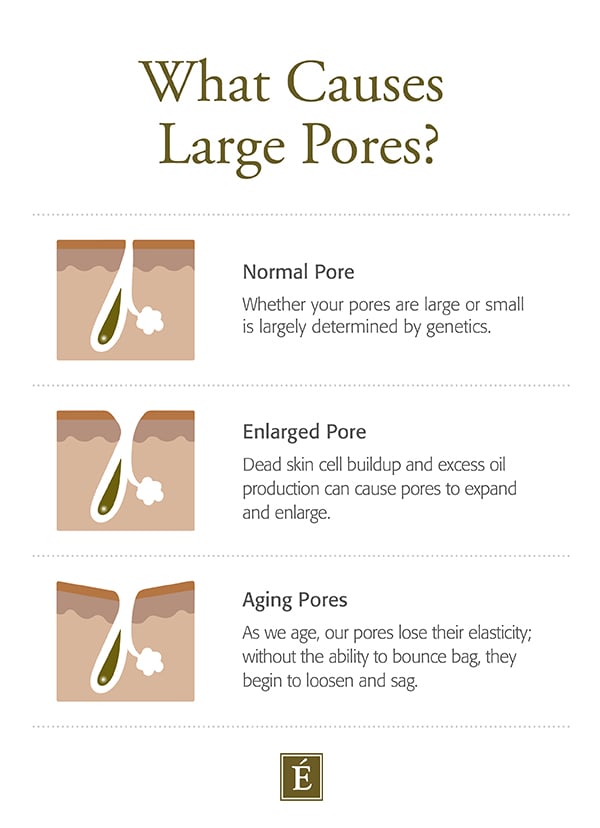
Large pores are a common skin concern for many individuals. While we can't truly "shrink" pores, as their size is genetically determined, we can certainly minimize their appearance through a consistent and effective skincare routine. Understanding the root causes of enlarged pores is the first step in addressing the issue. Several factors contribute to their visibility, including:
- Excess Sebum Production: Oily skin types are more prone to enlarged pores because excess oil stretches the pore lining.
- Decreased Skin Elasticity: As we age, our skin loses collagen and elastin, leading to a decrease in elasticity. This causes pores to appear larger.
- Sun Damage: Prolonged sun exposure damages collagen and elastin, exacerbating the appearance of large pores.
- Clogged Pores: Accumulation of dead skin cells, dirt, and oil within the pores stretches them out, making them more noticeable.
- Genetics: Some individuals are simply predisposed to having larger pores due to their genetic makeup.
The Ultimate Pore-Minimizing Skincare Routine
Now that we understand the causes, let's dive into a comprehensive skincare routine designed to minimize the appearance of large pores. Consistency is key for achieving visible results.
Step 1: Gentle Cleansing (Morning & Evening)
Cleansing is the foundation of any good skincare routine. Choose a gentle, non-comedogenic cleanser that effectively removes dirt, oil, and makeup without stripping your skin's natural moisture. Look for ingredients like salicylic acid or glycolic acid, which can help exfoliate the pore lining and prevent clogging. Avoid harsh soaps or cleansers that can dry out the skin, as this can trigger increased sebum production, ultimately worsening the appearance of pores.
How to: Massage the cleanser onto damp skin in circular motions for 30-60 seconds. Rinse thoroughly with lukewarm water and pat dry with a soft towel.
Step 2: Exfoliation (2-3 Times per Week)
Exfoliation is crucial for removing dead skin cells that can clog pores and make them appear larger. There are two main types of exfoliants: physical and chemical. Physical exfoliants, such as scrubs with fine beads or brushes, manually remove dead skin cells. Chemical exfoliants, like AHAs (alpha-hydroxy acids) and BHAs (beta-hydroxy acids), dissolve the bonds between dead skin cells, allowing them to be easily sloughed off.
- BHAs (Salicylic Acid): BHAs are oil-soluble, meaning they can penetrate deep into the pores to dissolve oil and debris. They are particularly effective for treating blackheads and whiteheads.
- AHAs (Glycolic Acid, Lactic Acid): AHAs are water-soluble and work on the surface of the skin to improve texture and tone. They can also help stimulate collagen production, which can improve skin elasticity.
How to: Choose an exfoliant that suits your skin type. If you have sensitive skin, start with a low concentration AHA or BHA and gradually increase frequency as tolerated. Apply the exfoliant to clean, dry skin and follow the instructions on the product label. Always use sunscreen the following day, as exfoliation can make your skin more sensitive to the sun.
Step 3: Toner (Morning & Evening)
Toners help to balance the skin's pH level and remove any remaining traces of dirt or cleanser. Look for toners that contain ingredients like witch hazel (an astringent that can help tighten pores), niacinamide (a form of vitamin B3 that can help reduce oil production and improve skin texture), or antioxidants (which can protect the skin from damage).
How to: Apply toner to a cotton pad and gently swipe it across your face, avoiding the eye area. Allow the toner to dry completely before applying your next skincare product.
Step 4: Serum (Morning & Evening)
Serums are concentrated treatments that deliver potent ingredients directly to the skin. For minimizing the appearance of large pores, consider serums containing the following ingredients:
- Niacinamide: As mentioned earlier, niacinamide can help reduce oil production, improve skin texture, and minimize the appearance of pores.
- Retinoids (Retinol, Retinaldehyde): Retinoids are vitamin A derivatives that can help increase cell turnover, stimulate collagen production, and reduce the appearance of pores. They are potent ingredients, so start with a low concentration and gradually increase as tolerated. Use retinoids only at night, as they can make your skin more sensitive to the sun.
- Hyaluronic Acid: While it doesn't directly minimize pores, hyaluronic acid is a powerful humectant that draws moisture to the skin, plumping it up and making pores appear less noticeable.
How to: Apply a few drops of serum to clean, dry skin and gently massage it in until fully absorbed. Follow with your moisturizer.
Step 5: Moisturizer (Morning & Evening)
Even if you have oily skin, moisturizing is essential for maintaining healthy skin function. Choose a lightweight, oil-free, and non-comedogenic moisturizer that won't clog pores. Look for ingredients like hyaluronic acid, glycerin, or ceramides, which can help hydrate and protect the skin barrier.
How to: Apply a dime-sized amount of moisturizer to your face and neck, gently massaging it in until fully absorbed.
Step 6: Sunscreen (Morning)
Sun protection is non-negotiable, especially when you're trying to minimize the appearance of large pores. Sun damage can break down collagen and elastin, making pores appear larger. Choose a broad-spectrum sunscreen with an SPF of 30 or higher and apply it liberally to all exposed skin, even on cloudy days. Reapply every two hours, or more frequently if you're sweating or swimming.
How to: Apply sunscreen as the last step in your morning skincare routine. Allow it to fully absorb before applying makeup.
Lifestyle Factors for Minimizing Large Pores
In addition to a consistent skincare routine, several lifestyle factors can contribute to minimizing the appearance of large pores:
- Stay Hydrated: Drinking plenty of water helps to keep your skin hydrated and plump, which can make pores appear less noticeable.
- Eat a Healthy Diet: A diet rich in fruits, vegetables, and lean protein provides the nutrients your skin needs to stay healthy and radiant.
- Avoid Picking or Squeezing Your Pores: This can damage the skin and enlarge pores.
- Regular Facial Treatments: Consider professional facial treatments like microdermabrasion or chemical peels, which can help to exfoliate the skin and minimize the appearance of pores.
Ingredients to Avoid if You Have Large Pores
Certain skincare ingredients can actually worsen the appearance of large pores. It's important to be mindful of what you're putting on your skin and avoid products that contain the following:
- Heavy Oils: Avoid products that contain heavy oils like coconut oil or shea butter, as these can clog pores.
- Comedogenic Ingredients: Look for products that are labeled "non-comedogenic," meaning they are formulated to not clog pores.
- Alcohol-Based Products: While alcohol can temporarily make pores appear smaller, it can also dry out the skin, leading to increased sebum production and ultimately larger pores.