
Cryptocurrency Debit Cards: A Growing Trend
Cryptocurrency debit cards are becoming increasingly popular as a way to bridge the gap between the digital asset world and traditional finance. These cards allow users to spend their cryptocurrency holdings anywhere that accepts debit card payments, offering a convenient way to utilize crypto for everyday purchases.
What is a Cryptocurrency Debit Card?
A cryptocurrency debit card is essentially a debit card that is linked to a cryptocurrency account. Instead of drawing funds directly from a traditional bank account, these cards convert your cryptocurrency holdings into fiat currency (like USD, EUR, or GBP) at the point of sale. This conversion happens instantly, allowing you to use your crypto balance to pay for goods and services.
Key Features to Consider When Choosing a Crypto Debit Card
With a growing number of cryptocurrency debit cards available, it's important to consider several key features before making a decision. Here are some of the most important aspects to evaluate:
Supported Cryptocurrencies
The first thing to check is which cryptocurrencies the card supports. Some cards only support Bitcoin (BTC) and Ethereum (ETH), while others support a wider range of altcoins. Ensure the card supports the cryptocurrencies you primarily hold and intend to spend.
Fees
Fees are a crucial factor to consider. Common fees associated with crypto debit cards include:
- Transaction Fees: Fees charged for each transaction made with the card.
- Conversion Fees: Fees charged for converting cryptocurrency to fiat currency.
- ATM Withdrawal Fees: Fees charged for withdrawing cash from ATMs.
- Card Issuance Fees: A one-time fee to obtain the card.
- Monthly/Annual Fees: Recurring fees for maintaining the card.
Compare the fee structures of different cards to find one that aligns with your spending habits and minimizes costs.
Rewards and Cashback
Some crypto debit cards offer rewards and cashback programs to incentivize usage. These rewards can come in the form of cryptocurrency (e.g., Bitcoin cashback), fiat currency, or other perks. Evaluate the reward structure and determine if it's valuable for your spending patterns.
Spending Limits
Crypto debit cards often have daily or monthly spending limits. These limits can vary significantly between cards. Check the spending limits to ensure they meet your needs and allow you to make the purchases you intend to make.
Security
Security is paramount when dealing with cryptocurrency. Look for cards that offer robust security features, such as:
- Two-Factor Authentication (2FA): An extra layer of security that requires a second verification method (e.g., a code sent to your phone) in addition to your password.
- Card Freezing: The ability to instantly freeze your card if it's lost or stolen.
- Spending Notifications: Real-time notifications for every transaction made with your card.
- Secure Storage: How the card provider stores your cryptocurrency holdings. Is it in cold storage or a hot wallet?
Geographic Availability
Not all cryptocurrency debit cards are available in every country. Check the geographic availability of the card to ensure it's offered in your region.
User Interface and Mobile App
A user-friendly interface and a well-designed mobile app can greatly enhance your experience with a crypto debit card. Look for cards that offer intuitive navigation, clear transaction history, and easy access to card management features.
Comparing Popular Cryptocurrency Debit Cards
Here's a brief overview of some popular cryptocurrency debit cards currently available:
Coinbase Card
The Coinbase Card is offered by Coinbase, one of the largest cryptocurrency exchanges. It allows users to spend their crypto holdings directly from their Coinbase account. It offers crypto rewards on purchases, and the supported cryptocurrencies are extensive. Fees can vary depending on usage and region.
Binance Card
The Binance Card, offered by the Binance exchange, offers cashback rewards in BNB (Binance Coin) on eligible purchases. It supports a variety of cryptocurrencies and allows users to manage their card through the Binance app. Fee structure should be reviewed before application.
Crypto.com Visa Card
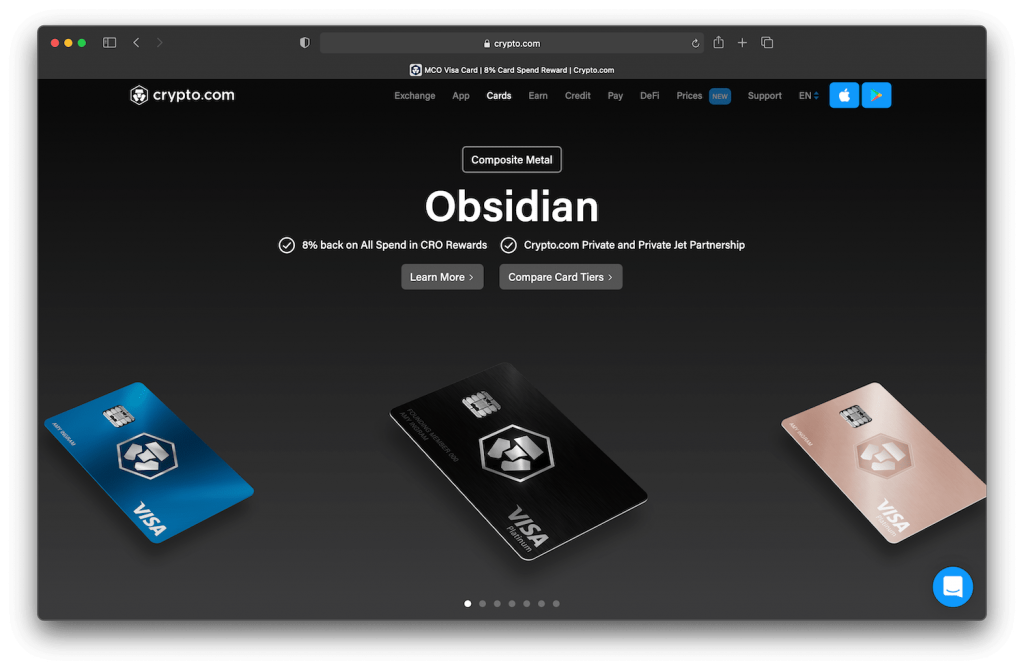
Crypto.com offers a range of Visa cards with varying tiers, each offering different levels of cashback rewards, staking benefits, and other perks. The higher-tier cards often require staking a significant amount of CRO (Crypto.com's native token). The card is widely available and offers a robust mobile app.
BlockFi Rewards Visa Signature Card
The BlockFi Rewards Visa Signature Card offers Bitcoin rewards on every purchase. It's a credit card, not a debit card, but it allows users to earn Bitcoin passively. Rewards are deposited into your BlockFi account. This card requires a credit check.
Wirex Card
The Wirex Card supports a wide range of cryptocurrencies and fiat currencies. It offers cashback rewards and allows users to earn interest on their crypto holdings. Wirex also offers a multi-currency account, allowing users to easily convert between different currencies.
How to Get a Cryptocurrency Debit Card
The process of obtaining a cryptocurrency debit card typically involves the following steps:
- Choose a Card: Research and compare different crypto debit cards to find one that meets your needs.
- Create an Account: Sign up for an account with the card provider. This may involve providing personal information and verifying your identity.
- Fund Your Account: Transfer cryptocurrency to your account.
- Order Your Card: Order your physical or virtual card.
- Activate Your Card: Activate your card once you receive it.